


History and Evolution of the Homelessness Crisis
-
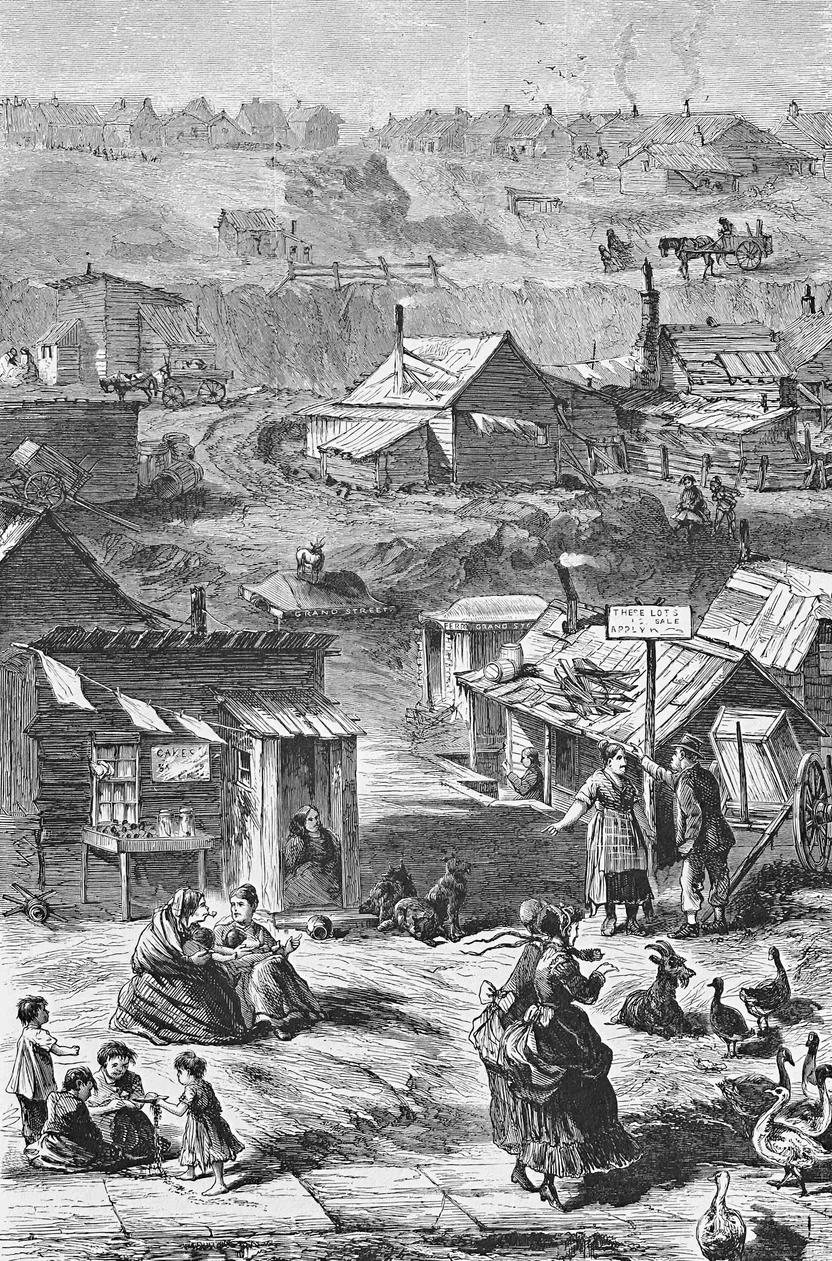
1600s–1800s
Colonial America and the Early Republic
Homelessness existed in various formats as communities dealt with poverty through “poorhouses” or “almshouses”.
-
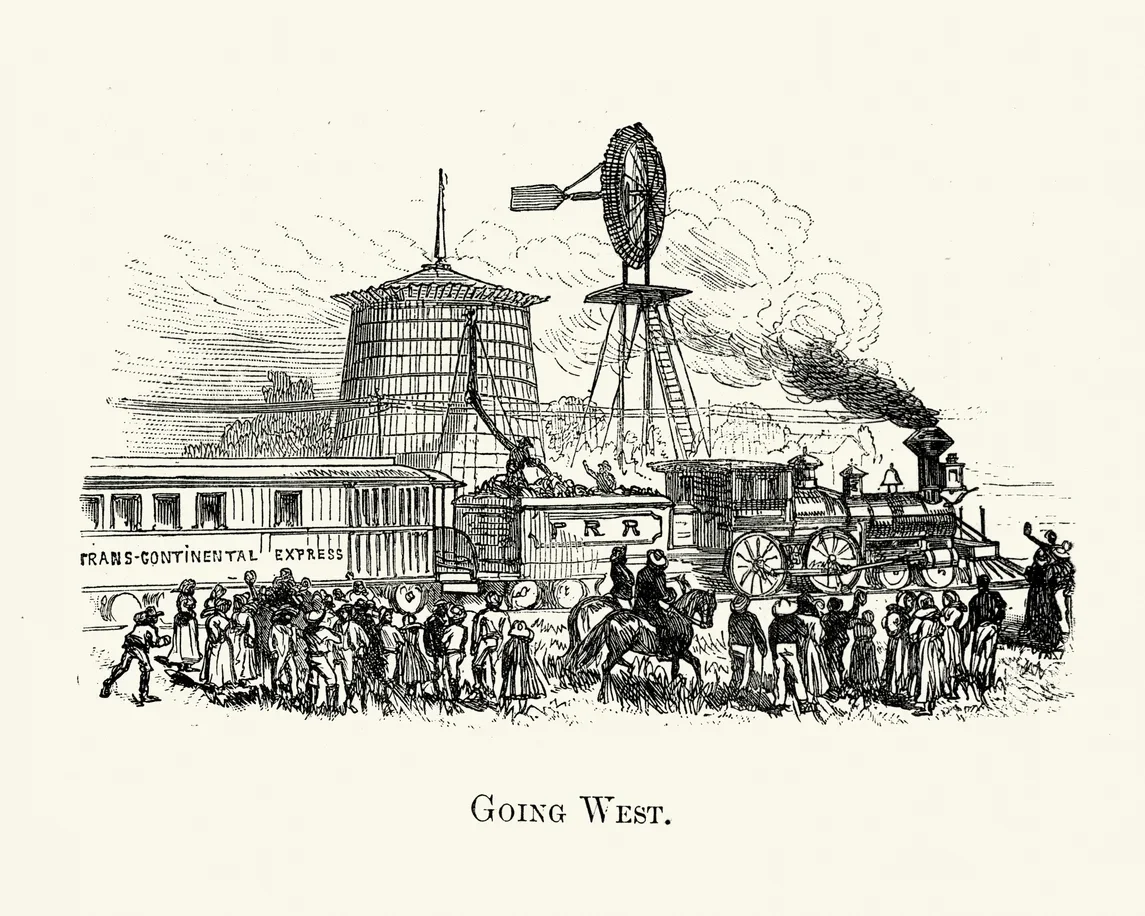
1870s–1930s
Industrialization & Westward Expansion
During rapid industrialization, unemployed workers traveled far for work, creating the “tramp” or “hobo” image.
-

1930s
The Great Depression
The economic collapse of the 1930s increased homelessness and gave rise to large encampments known as “Hoovervilles”.
-

1945–1970s
Post-World War II Period
Federal housing programs expanded, and low-income individuals lived in single-occupancy housing and boarding houses.
-

1980s
The Emergence of Modern Homelessness
Researchers agree that the 80s are the beginning of today’s crisis, transforming homelessness from affecting single men to diverse populations.
-

Federal Response
McKinney-Vento and the HEARTH Act expanded funding, prevention efforts, and data collection to address homelessness.
Homelessness Today
Contemporary homelessness is shaped by a combination of factors:
-

Shortages of
affordable housing -

Rising rents
relative to wages -

Economic
inequality -

Mental health and substance-use challenges
-

Domestic
violence -

Family
instability -

Systemic
racial disparities -

Natural disasters and economic shocks
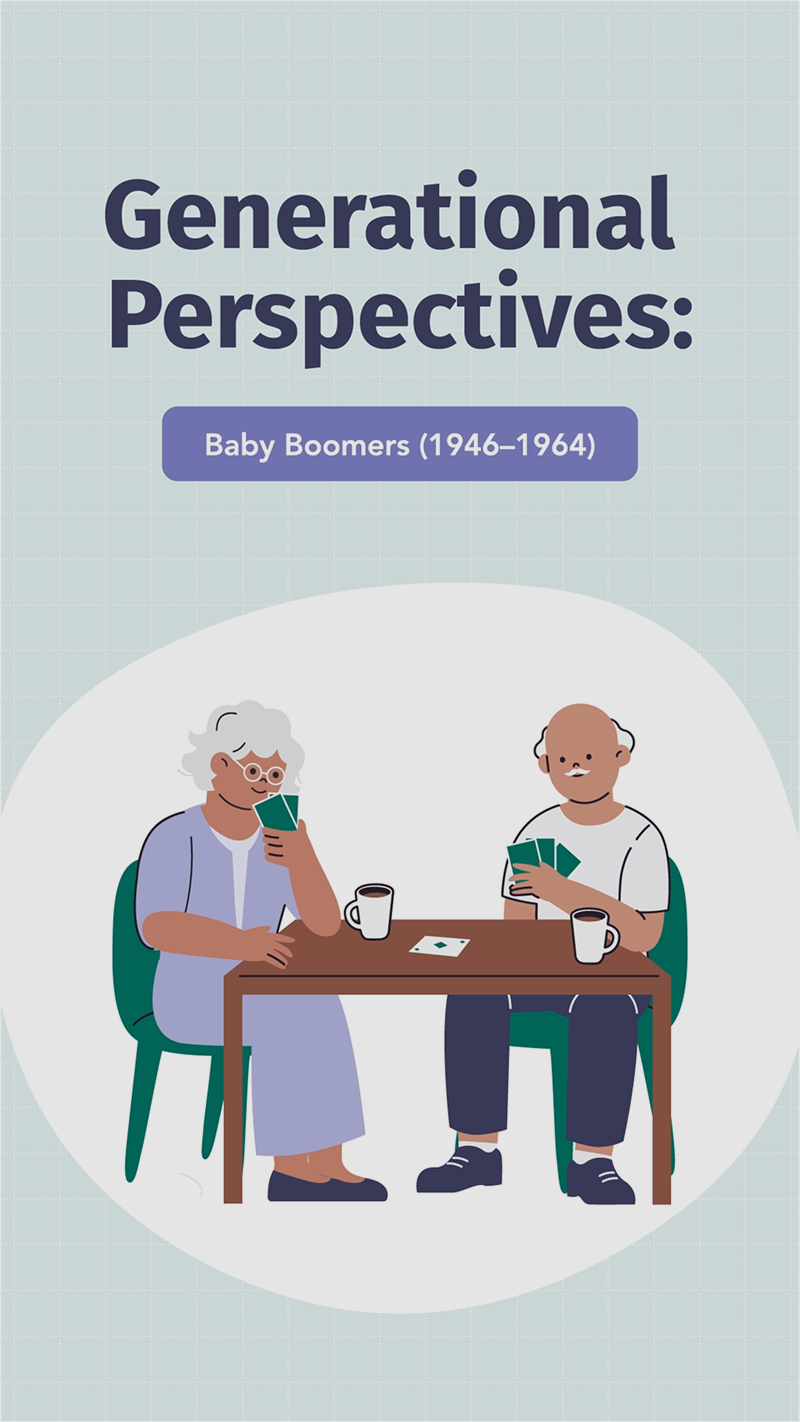
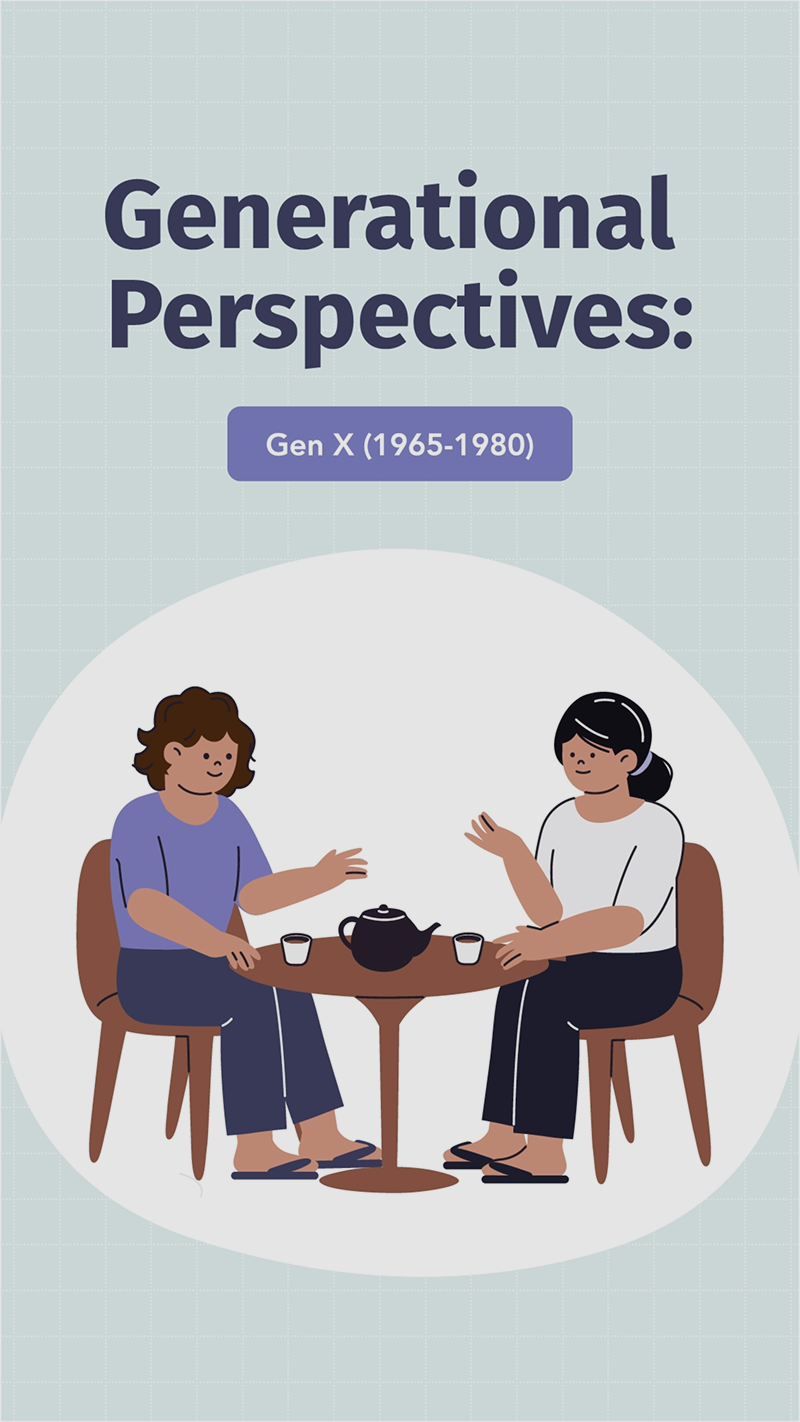
Generational Perspectives
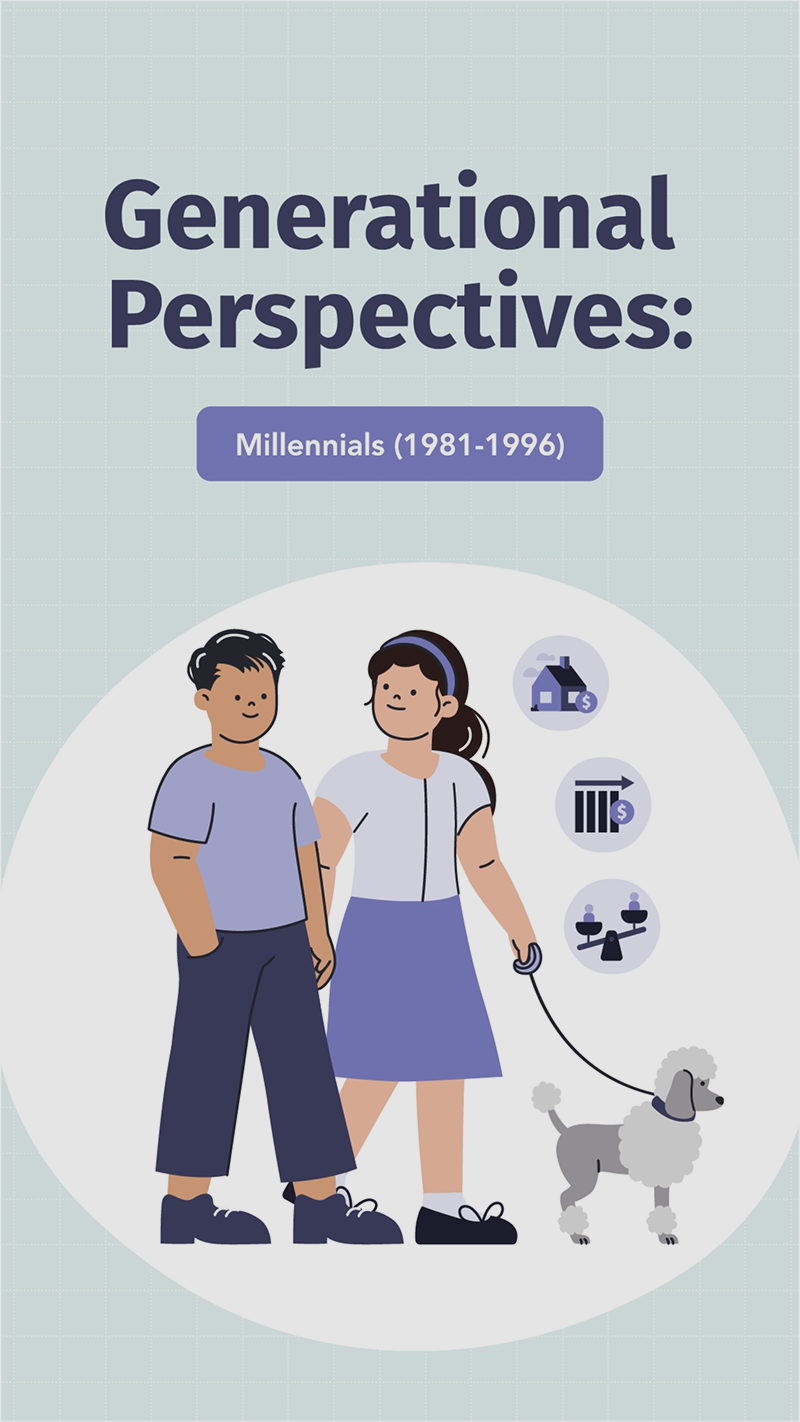
Generational perspectives on homelessness are not uniform. People within every generation hold a wide range of views. However, research and public opinion trends suggest some broad patterns in how different generations tend to understand the causes of and solutions to homelessness:


The Nation's
Success Stories
These wins tell us that targeted, coordinated systems help reduce homelessness at scale. Housing paired with support services and cross-sector collaboration works best, as prevention beats crisis response. Housing is now a platform for recovery, not a reward for it.
Reduction in Veteran Homelessness
Through coordinated efforts by the U.S. Department of Veterans Affairs, HUDS, nonprofits, and local communities to use housing vouchers, rapid rehousing supportive services, and data sharing, 85 communities and 3 states ended veteran homelessness.

Creation of a National Homelessness Response System
Prior to the 1980s, there was no comprehensive federal response to homelessness. The passage of the landmark McKinney-Vento Homeless Assistance Act created the first major federal framework for addressing homelessness. Later, the HEARTH Act strengthened coordination, accountability, data collection, and funding for housing programs.
Adoption of Housing First Approaches
The HEARTH Act accelerated the expansion of Housing First programs nationwide. Studies have found strong housing retention rates and improved stability among participants.
Expansion of Permanent Supportive Housing
Since the early 2000s, communities have greatly expanded permanent supportive housing for people experiencing chronic homelessness. Research has found that increases in supportive housing are associated with reductions in chronic homelessness and improved housing stability.
Improved Prevention and Rapid Rehousing
Prevention is an important part of the continuum of care. Programs such as rapid rehousing and prevention assistance have helped families and veterans regain housing more quickly than traditional shelter-only approaches.
Stronger Public-Private Partnerships
Collaboration between entities is key. Cities such as Houston and other communities have demonstrated that coordinated systems can significantly reduce homelessness when stakeholders align around shared goals.

Stories That Inspire
HomeAid’s affiliates across the nation are creating impact in their communities. We are proud to showcase the collective work we continue to do in order to build a future without homelessness.

State of the Issue Across the Nation


Unsheltered Conversations

Episode 22
A Foundation for Independence: Helping Young Adults Move Beyond
Homelessness
Featuring Lisa Wright, Mina Koplin, and Nathan “Nate” Meinzer.

Episode 23
Believe in People - Stand Together Foundation
Featuring Amber Fogarty.

Episode 24
Bracken's Kitchen
Featuring Bill Bracken, chef and founder of Bracken's Kitchen.
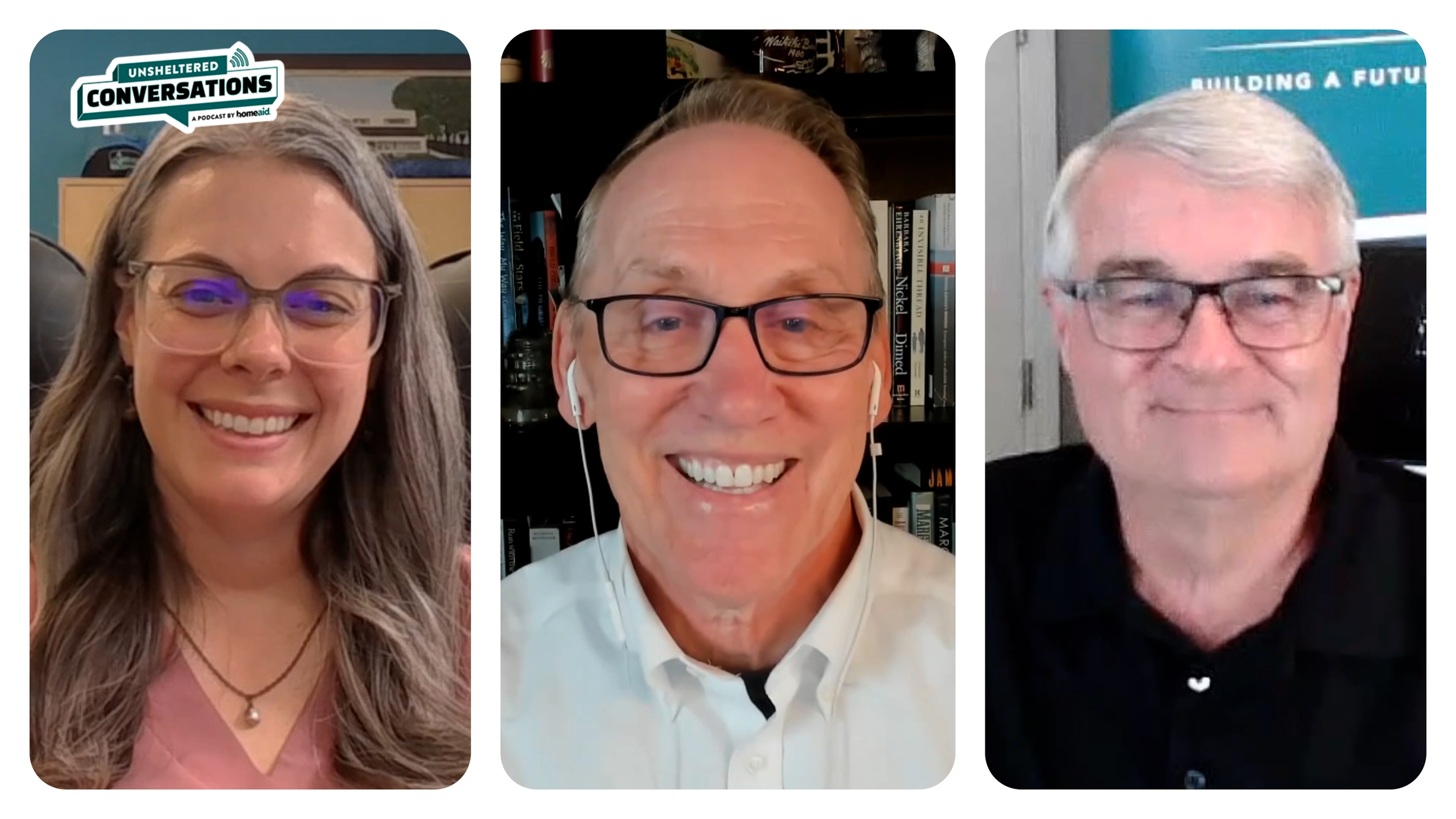
Episode 25
Christian Service Center
Featuring Russ Beymer, Executive Director of HomeAid Orlando, and Carla Cox.

Find an Affiliate Near You

Donate
Every gift helps an individual or family build a new life.

Volunteer
Find HomeAid volunteer opportunities local to your home.

Shop
Contributions large and small continue to make a difference.